


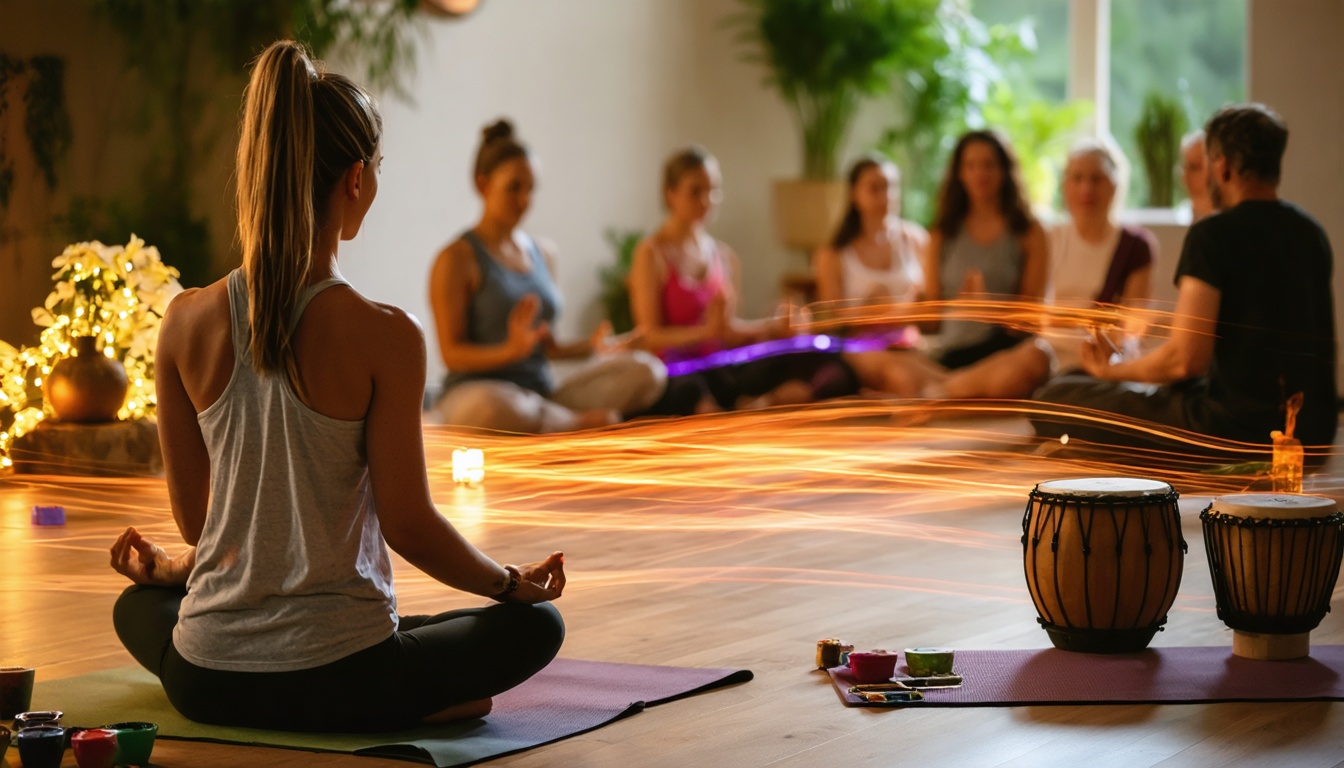
Different Alternative Therapies Used in Addiction Treatment
When you're considering ways to support addiction recovery, you might notice that traditional approaches aren't the only options. Today, many people explore alternative therapies that focus on the mind, body, and spirit. These methods aim to boost your well-being and address challenges that standard treatments might overlook. If you've ever wondered how practices like mindfulness, yoga, or art therapy could fit into recovery, it’s worth exploring what these strategies might offer beyond the usual path.
Overview of Complementary and Alternative Medicine in Addiction Recovery
Complementary and Alternative Medicine (CAM) is gaining recognition as a supplementary approach within the context of addiction recovery. It includes various modalities such as acupuncture, yoga, and mindfulness meditation, which can be integrated with conventional treatments. CAM is often employed in conjunction with behavioral therapies to assist individuals dealing with Substance Use Disorders (SUDs), alcohol dependence, and alcohol abuse.
Practices within CAM encompass movement therapies, massage therapy, qi gong, deep breathing exercises, and music therapy. According to the National Center for Complementary and Integrative Health, a significant number of individuals seek CAM options, particularly to alleviate symptoms related to stress disorders or withdrawal from substance use.
While there is some evidence suggesting potential benefits of these approaches, systematic reviews and randomized controlled trials, such as those conducted by researchers like Chawla et al., indicate a need for further empirical investigation.
This ongoing research is essential to better understand the efficacy and safety of CAM practices in the context of addiction recovery. Hence, while CAM may provide supportive benefits for some individuals, a cautious approach grounded in robust scientific evidence is necessary.
Mindfulness Meditation and Relapse Prevention
Mindfulness meditation has emerged as a valuable tool for individuals in recovery from substance use disorders (SUDs). This practice allows individuals to observe their thoughts and feelings without succumbing to impulsive reactions or engaging in self-critical behaviors. Techniques such as guided meditation, deep breathing exercises, and mindfulness-based relapse prevention (MBRP) have been associated with a reduction in relapse rates among patients dealing with SUDs and related disorders.
Research supports the efficacy of mindfulness practices in enhancing self-awareness and emotional regulation, which are essential components of effective addiction treatment. Systematic reviews of experimental studies indicate that these practices can lead to improvements in both mental and physical well-being, thereby mitigating withdrawal symptoms.
Clinical investigations, such as those conducted by Chawla et al. as reported in Addictive Behaviors, have noted comparable outcomes between mindfulness interventions and some traditional treatment modalities. This suggests that mindfulness may serve as a complementary strategy within the broader spectrum of substance misuse treatment.
Moreover, there is a growing interest in complementary and integrative medicine approaches among individuals seeking treatment for substance misuse. The emphasis is increasingly on providing individualized care that addresses the unique needs of each patient, which is crucial for fostering long-term recovery outcomes.
Yoga and Movement-Based Interventions
Yoga serves as a structured method incorporating physical movement, breath regulation, and relaxation techniques that may assist individuals recovering from substance use disorders (SUDs). This practice engages both the physical and psychological aspects of recovery, aligning with other movement-based therapies such as tai chi and qi gong, while also emphasizing deep breathing exercises.
Recent systematic reviews and clinical studies published in reputable journals, including *Substance Abuse* and *Addictive Behaviors*, have provided evidence supporting the role of yoga in relapse prevention and the management of withdrawal symptoms. These findings suggest that yoga can be a valuable complement to traditional treatment modalities for substance misuse and alcohol dependence.
While yoga is generally recognized as a safe and potentially effective intervention, it is crucial to tailor practices to meet the specific needs of individuals in recovery. The integration of yoga into treatment plans should be approached with consideration of each person's unique circumstances and requirements.
Acupuncture for Substance Use Disorders
Acupuncture is an established practice within traditional Chinese medicine that has garnered interest as a potential adjunctive treatment for substance use disorders (SUDs). The technique involves the stimulation of specific anatomical points on the body, which is believed to promote overall health and well-being. In some cases, individuals seeking help from drug treatment centers may incorporate acupuncture alongside other therapeutic modalities, such as behavioral therapy, mindfulness meditation, or yoga, to alleviate withdrawal symptoms and reduce the likelihood of relapse.
Current evidence regarding the efficacy of acupuncture in the context of substance use disorders remains inconclusive. Systematic reviews and randomized controlled trials have produced mixed findings, and a consensus on its benefits for drug and alcohol misuse or Alcohol Dependence has not yet been established.
Given these mixed outcomes, it is essential for practitioners to be well-trained in acupuncture techniques, as improper application may pose risks to patient health and may not align with individual treatment requirements.
In summary, while acupuncture may hold promise as a complementary approach in managing substance use disorders, further research is needed to determine its effectiveness and optimal implementation within treatment frameworks.
Massage Therapy in Withdrawal Management
Massage therapy can be a valuable adjunct in managing the physical and emotional challenges associated with substance withdrawal. When integrated with conventional treatments for substance use disorders (SUDs) and alcohol dependence, massage can assist patients in addressing symptoms such as anxiety and tension, which are commonly experienced during withdrawal.
Professional practitioners employ various massage techniques that are tailored to meet the individual needs of patients, thereby supporting both physical and emotional wellbeing. Research indicates that massage therapy is not only safe but can also be effective in alleviating symptoms of alcohol withdrawal, which may enhance patient comfort and foster adherence to prescribed care plans.
In addition to massage, complementary and alternative therapies—such as yoga and mindfulness meditation—are frequently utilized within group settings to aid in recovery and mitigate the risk of relapse during addiction treatment.
The integration of these modalities provides a holistic approach to recovery, focusing on both mind and body aspects of healing, which may contribute to improved outcomes for individuals undergoing withdrawal management.
Transcendental Meditation as an Adjunctive Therapy
Transcendental Meditation (TM) can serve as a complementary component of a comprehensive treatment strategy for addiction, particularly in addressing substance use disorders (SUDs). The practice employs specific techniques designed to promote relaxation and decrease both physical tension and psychological stress, which may assist individuals in managing cravings for substances such as drugs and alcohol.
Research indicates that TM may contribute to improved emotional regulation, which is an important factor in relapse prevention.
While existing clinical studies and systematic reviews pertaining to the efficacy of TM are relatively sparse, it is regarded as a safe and non-invasive complementary and alternative medicine (CAM) approach. TM is typically taught by certified practitioners, ensuring a standardized method that participants can follow.
When integrated with conventional treatment modalities and behavioral therapies, TM has the potential to enhance individual recovery efforts and cater to specific therapeutic needs.
Further research is needed to establish broader clinical guidelines and stronger evidence for its effectiveness in addiction recovery contexts.
Energy Therapies and Their Role in Recovery
Energy therapies are gaining recognition within the realm of addiction treatment, with methods such as Transcranial Magnetic Stimulation (TMS) and qi gong being researched for their supportive role in recovery. These complementary and alternative medicine (CAM) techniques are often utilized alongside traditional treatment approaches, with the objective of assisting individuals with substance use disorders (SUDs) in maintaining recovery and mitigating withdrawal symptoms.
Practices such as qi gong, deep breathing, tai chi, and other movement therapies that are based on Traditional Chinese Medicine offer potential benefits for both physical and mental health. Current research indicates that TMS may contribute to a reduction in relapse rates for individuals participating in both group and individual therapy settings.
Similarly, qi gong has been associated with positive outcomes for mental and emotional well-being.
A systematic review of the available clinical research supports the integration of these energy therapies into substance misuse treatment plans. By incorporating such methods, treatment providers may enhance the overall efficacy of recovery processes, addressing both the physiological and psychological aspects of addiction.
Biofeedback Applications for Craving Reduction
An increasing number of addiction treatment programs are integrating biofeedback as a method for managing cravings and enhancing self-regulation among individuals with substance use disorders (SUDs). Biofeedback techniques utilize real-time data on physiological responses, fostering awareness and control over emotional and physical triggers that may arise during periods of drug and alcohol withdrawal.
Research indicates that both electromyography (EMG) and heart rate variability (HRV) training can complement traditional behavioral therapy approaches and may contribute to relapse prevention; however, the current body of evidence emphasizes the necessity for more rigorous controlled trials to substantiate these claims.
Additionally, complementary methods such as music therapy, yoga, and mindfulness meditation are commonly employed in both group and individual treatment settings, catering to a wide range of therapeutic needs.
Organizations such as the National Center for Complementary and Integrative Health endorse biofeedback as a potentially safe and effective modality, positioning it within contemporary strategies for addressing substance misuse. The integration of such approaches may help in tailoring treatment to individual patient requirements and preferences.
Hypnotherapy and Cognitive Response Management
Hypnotherapy, as a therapeutic approach for addiction, distinguishes itself from other alternative therapies by focusing on the subconscious patterns that may contribute to substance use. Within the context of Substance Use Disorders (SUDs) treatment, hypnotherapy is often utilized as a complementary and integrative option.
However, the current body of evidence, including randomized controlled studies, does not provide a definitive conclusion regarding its efficacy. Some individuals undergoing hypnotherapy report experiencing reduced cravings and withdrawal symptoms, although these findings are not universally applicable.
Cognitive Response Management complements hypnotherapy by employing behavioral therapy techniques aimed at modifying maladaptive beliefs associated with drug and alcohol misuse. This integrated approach strives to address the cognitive aspects of addiction, facilitating a deeper understanding of the underlying thought patterns that may drive substance use behavior.
Effective treatment for substance disorders typically requires a personalized strategy, adapting various therapeutic modalities to meet individual needs.
It is advisable that individuals seeking these treatments work with trained professionals to navigate the complexities of their conditions. Such guidance is essential for ensuring both the safety and effectiveness of the clinical outcomes, ultimately supporting long-term strategies for relapse prevention.
Guided Imagery and Music Therapy Techniques
Guided imagery and music therapy represent two alternative therapies utilized in the treatment of addiction. These techniques offer practical methods for managing cravings and emotional disturbances commonly associated with substance use disorders (SUDs). The practices involve the use of visualization along with music, and they are often integrated with other approaches such as yoga, deep breathing exercises, and mindfulness meditation. This integration aims to harmonize the body and mind, potentially enhancing therapeutic outcomes.
Both guided imagery and music therapy can take the form of individual sessions or group activities, targeting various challenges, including alcohol withdrawal and stress disorders. Research indicates certain benefits, such as increased patient engagement in therapy and possible contributions to relapse prevention. However, systematic review data on their effectiveness remain limited, which suggests that while preliminary findings are promising, further empirical research is necessary to fully understand their impact.
These complementary approaches can be employed alongside traditional behavioral therapies, allowing for a more tailored treatment plan that addresses the specific needs of individuals in recovery. This multifaceted strategy may contribute to improved recovery rates and overall health for those affected by addiction.
As the field of addiction treatment continues to evolve, the integration of such alternative therapies warrants further examination to determine their role in comprehensive care.
Conclusion
As you consider your options for addiction recovery, remember that alternative therapies offer valuable support alongside traditional treatments. Techniques like mindfulness, yoga, acupuncture, and creative therapies can help you address emotional, physical, and spiritual challenges in a holistic way. By exploring different approaches and finding what resonates with you, you’ll increase your chances of lasting change and well-being. Don’t hesitate to work with professionals who understand how to integrate these therapies into your personalized recovery plan.